Explore
What to buy in Sri Lanka
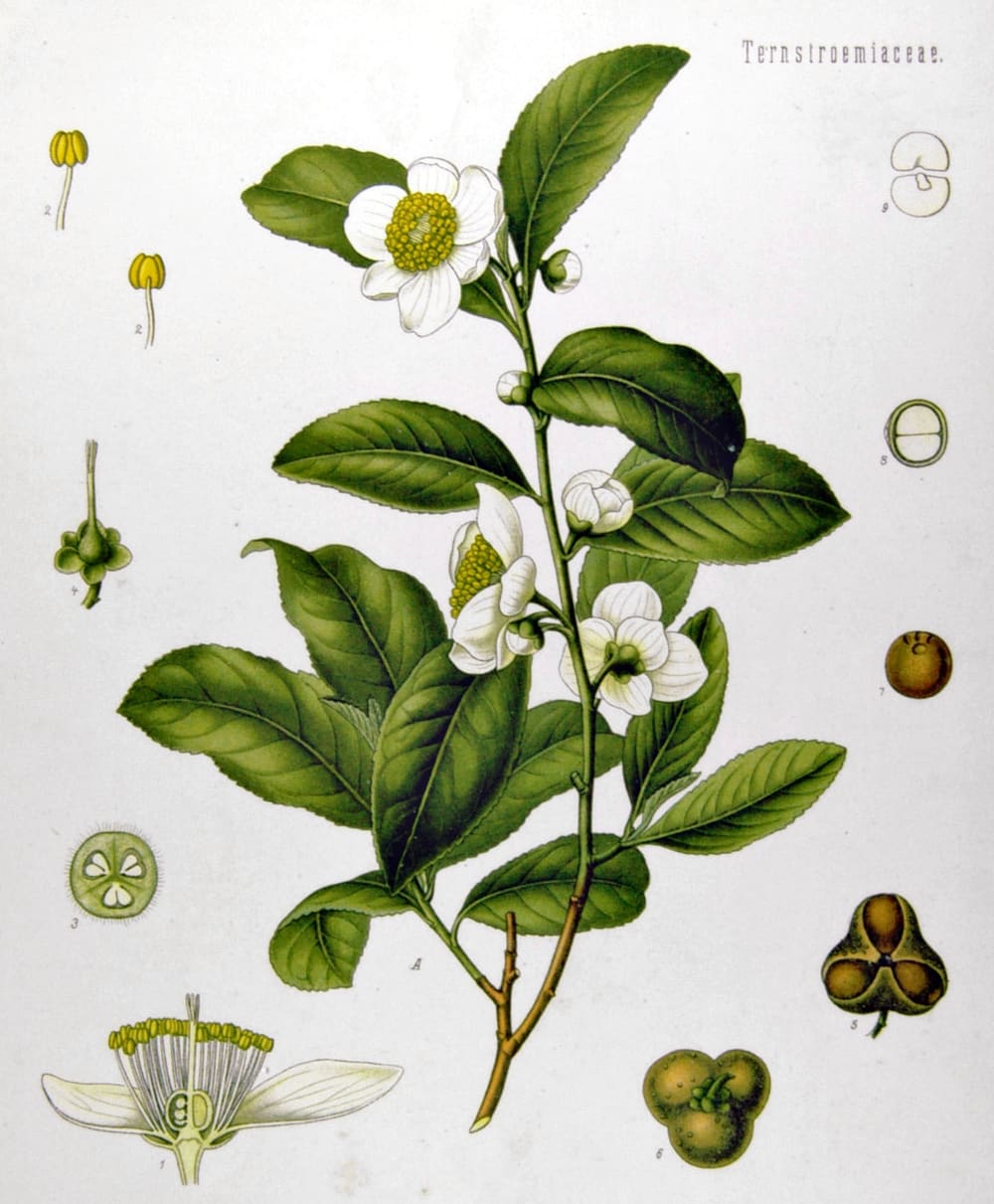
01
Ceylon tea
- In the shops at tea factories on the trip to the plantations. Supermarkets sell the same brands for less. On the way to Galle you can stop at the Handunugoda tea estate near Ahangama.
- Look for the lion logo. Only tea packed in Sri Lanka may carry it.
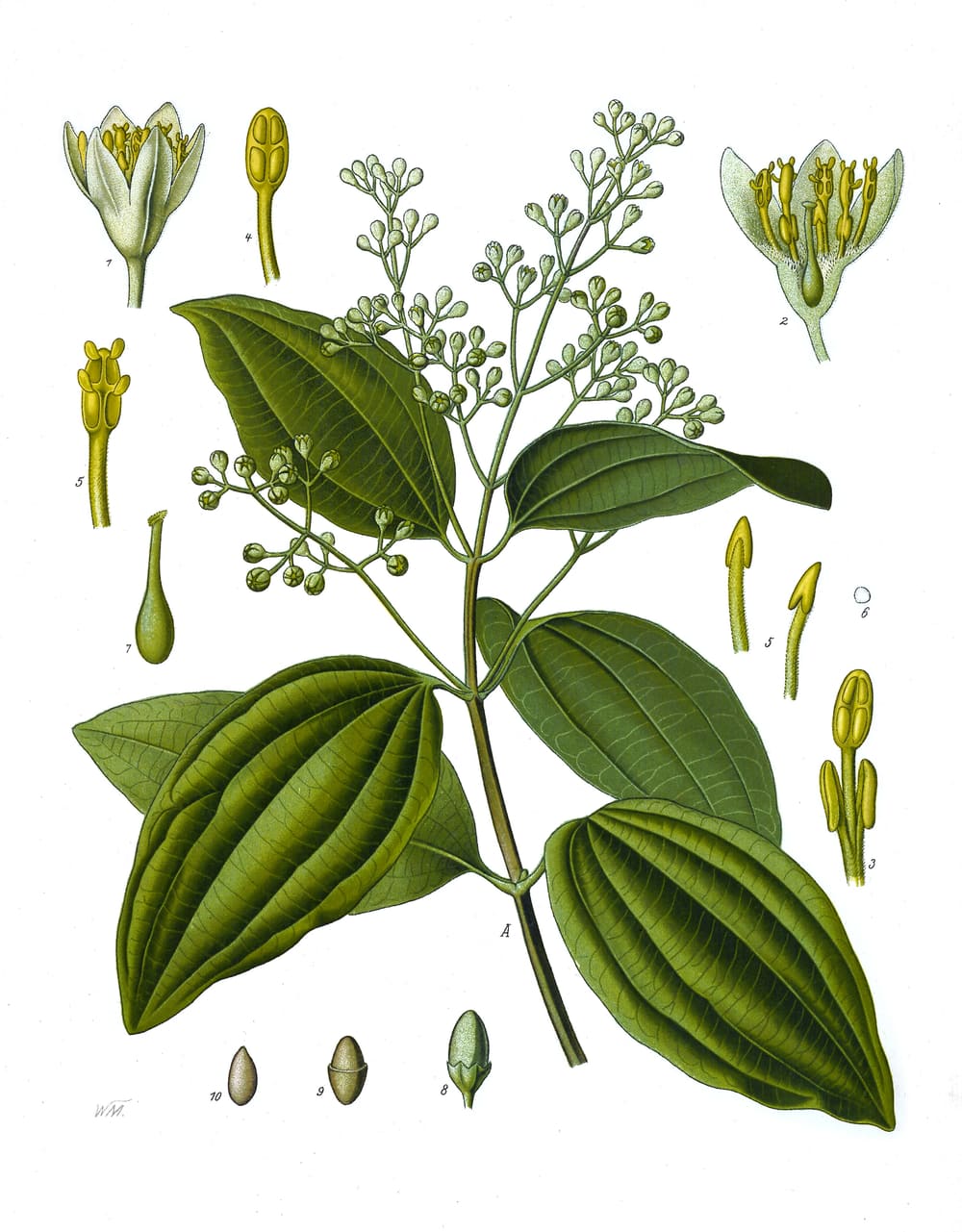
02
Cinnamon and spices
- In Keells or Cargills Food City supermarkets and at town markets.
- Spice gardens for tourists charge several times more. Enjoy the tour and buy elsewhere.
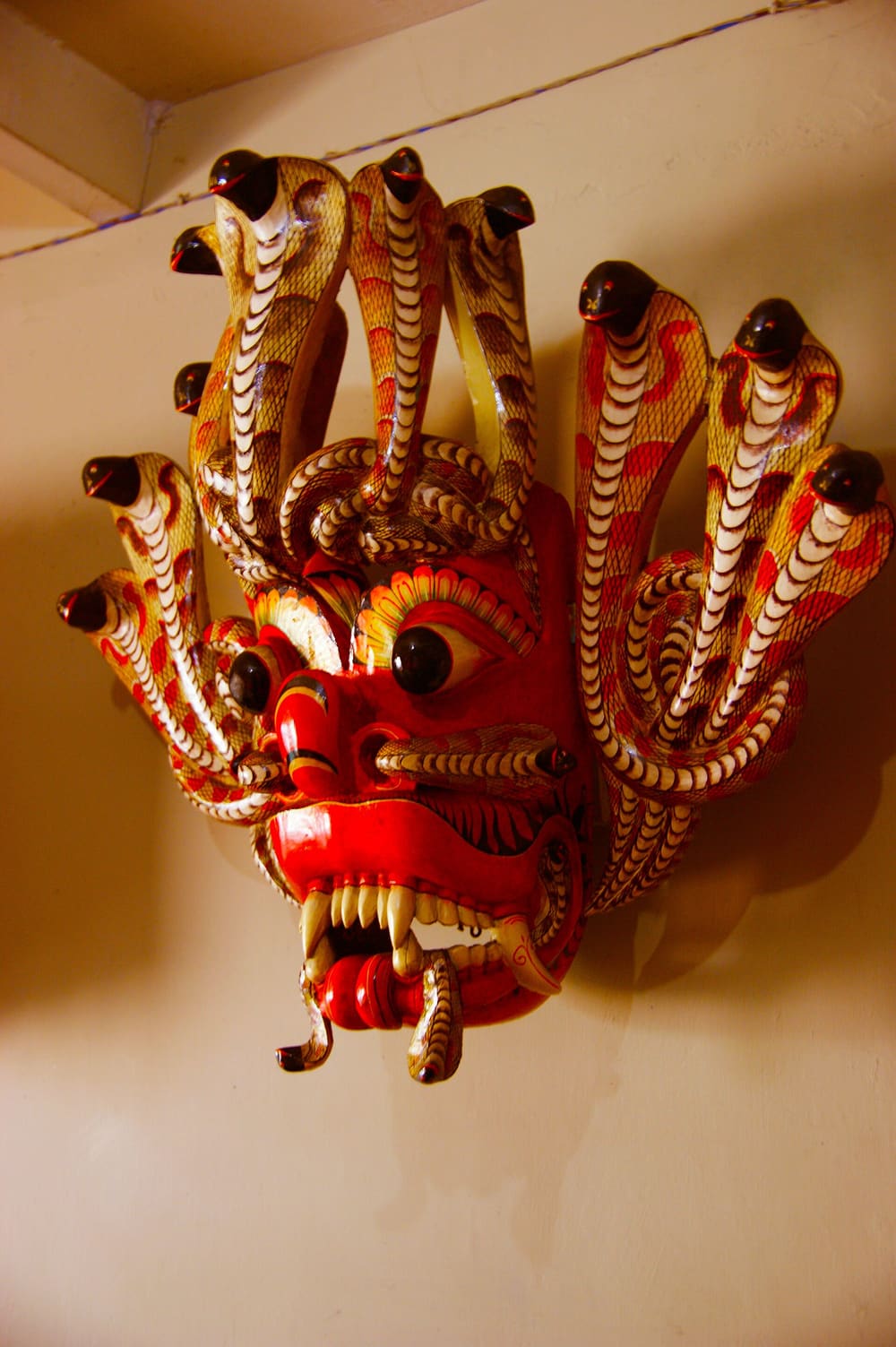
Photo: Dan arndt, CC BY-SA 4.0, resized 03
Wooden masks
- In workshops in Ambalangoda and in the shops of Galle Fort.
- Compare a few shops. Prices for the same mask differ a lot.
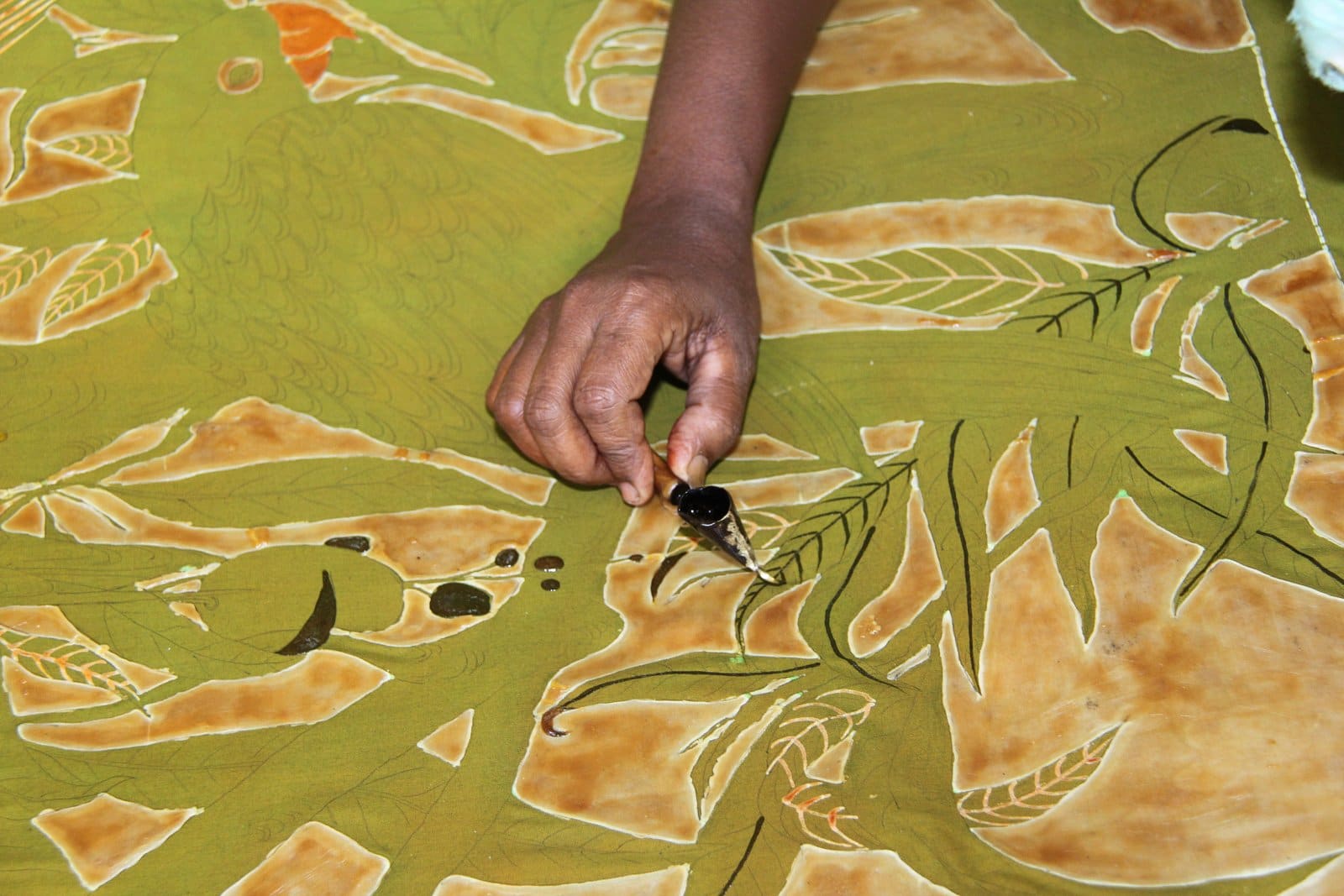
Photo: Peter van der Sluijs, CC BY-SA 3.0, resized 04
Batik, handloom and lace
- In batik workshops along the coast, in the Barefoot and Selyn shops in Colombo and from lace makers in Galle Fort.
- Ask if the lace is handmade. Machine lace is cheaper and looks similar.
06
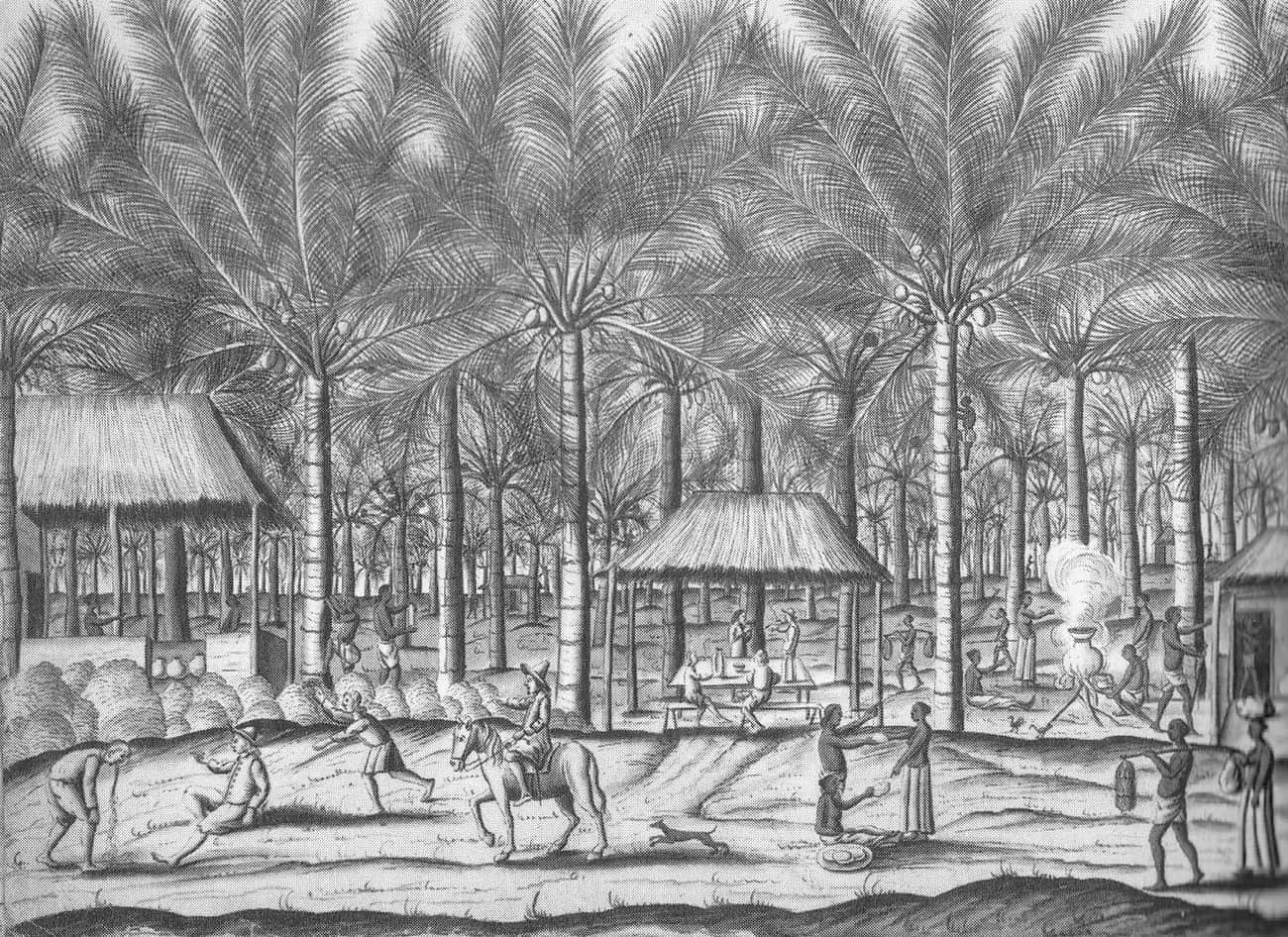
Arrack, palm treacle and cashews
- In supermarkets and licensed liquor shops. You can also buy arrack at the airport.
- Kithul treacle from street stalls is often mixed with sugar. Buy a sealed bottle with a label.
07
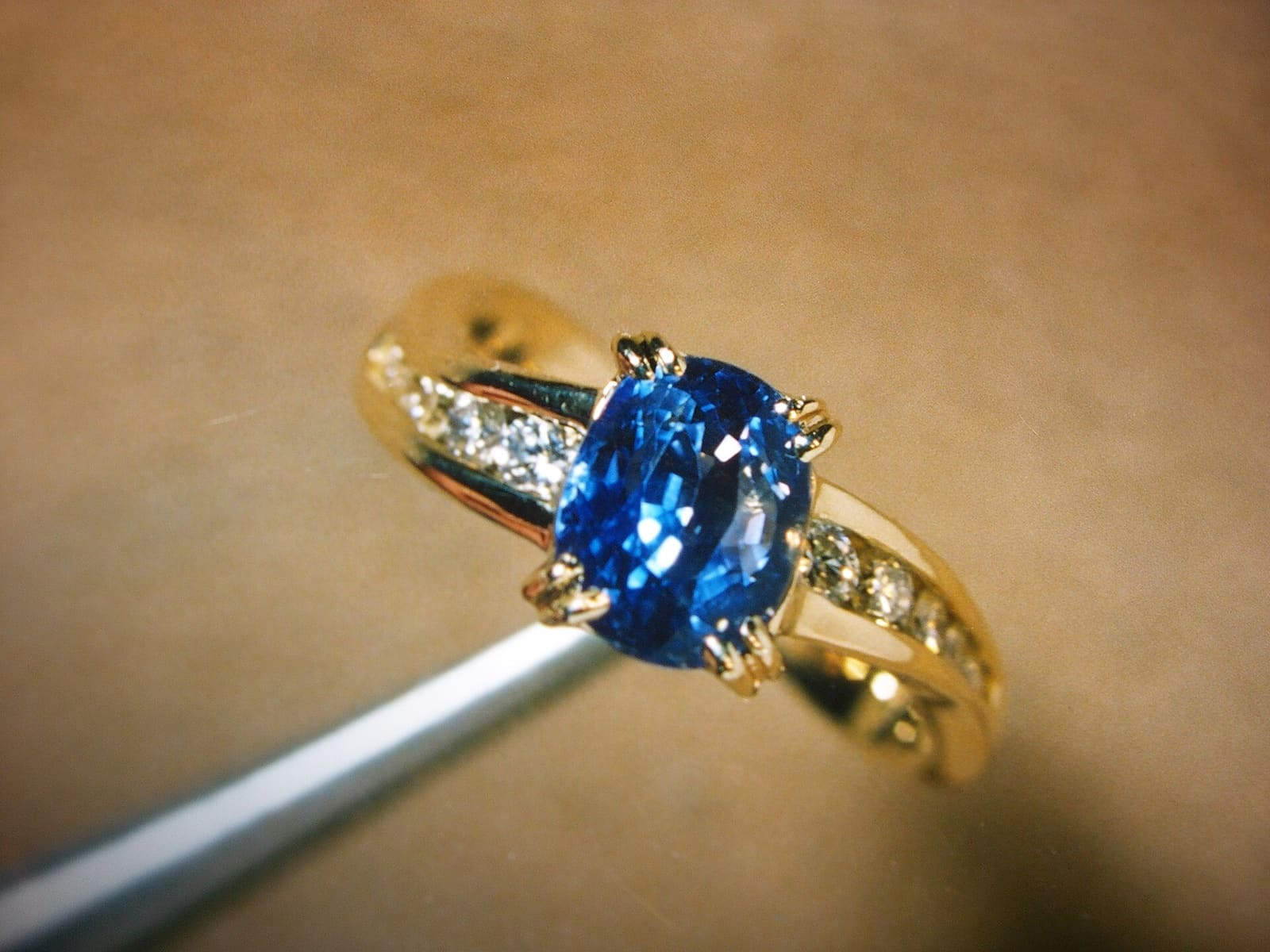
Balms and herbal products
- In pharmacies and supermarkets. Spa Ceylon has its own shops.
- Do not buy remedies without a label, even if the seller calls them ayurvedic.
Where to shop
- Supermarkets (Keells, Cargills Food City): tea, spices, cashews and balms at fixed prices
- Laksala, the state craft shops in Colombo and Kandy: fixed prices, good for comparing
- Galle Fort: small shops with crafts, lace and jewellery
- Colombo: the best place for last purchases before your flight
- Town markets, for example in Tangalle: spices and fruit
Paying and bargaining
- Bargaining is normal in small shops and at stalls. Stay friendly.
- Supermarkets and larger shops have fixed prices.
- A driver who takes you to a gem shop or a spice garden usually gets a commission. You pay for it in the price.
- Small shops take cash only. Larger ones take cards.
- Keep the receipt for expensive things. Customs may ask to see it.
Do not buy
- Coral and sea shells
- Anything made of turtle shell or ivory
- Mounted butterflies and other animal products
- Antiques and old statues. You need a permit to take them out.
- Live plants and seeds
Taking it home
- You may take 10 kg of tea out of Sri Lanka duty free.
- Change leftover rupees back before you fly. You may take out only 20,000 rupees.
- Into the EU by air you may bring goods worth up to €430 per person.
- Alcohol into the EU: 1 litre of spirits per adult.
- Meat and dairy products may not be brought into the EU.
- Fresh fruit needs a plant health certificate. Pineapple, coconut and banana are exempt.
- Other countries have their own limits. Check them before you fly.
Trips
Trips where you can shop
We are here for you
Ask us anything
We know Sri Lanka inside out. We will help with the journey, the visa and trip planning — we usually reply within 24 hours.